When cleaning and disinfecting PVC Foam Board and polycarbonate products, it’s important to follow specific guidelines to ensure the longevity and performance of the materials. Whether you’re cleaning a greenhouse, a patio cover, or any other structure made from polycarbonate or PVC Foam Board, these general cleaning and disinfecting guidelines will help you maintain the appearance and functionality of the materials.
Cleaning Guidelines for Polycarbonate and PVC Foam Board Products
1. Avoid Abrasive or High Alkaline Cleaners
It’s crucial to never use abrasive or high alkaline cleaners on any Palram polycarbonate or PVC products. These types of cleaners can cause damage to the surface of the materials, leading to scratches and reduced clarity.
2. Rinse Immediately with Cold Water
If you do use a cleaner on polycarbonate or PVC, it’s important to rinse it off immediately with cold, clean water. Leaving cleaners on the surface for extended periods can lead to staining or discoloration.
3. Avoid Direct Sunlight
When applying cleaners, make sure to do so in a shaded area and avoid direct sunlight. Cleaning solutions can dry out quickly in direct sunlight, leaving behind streaks and residue.
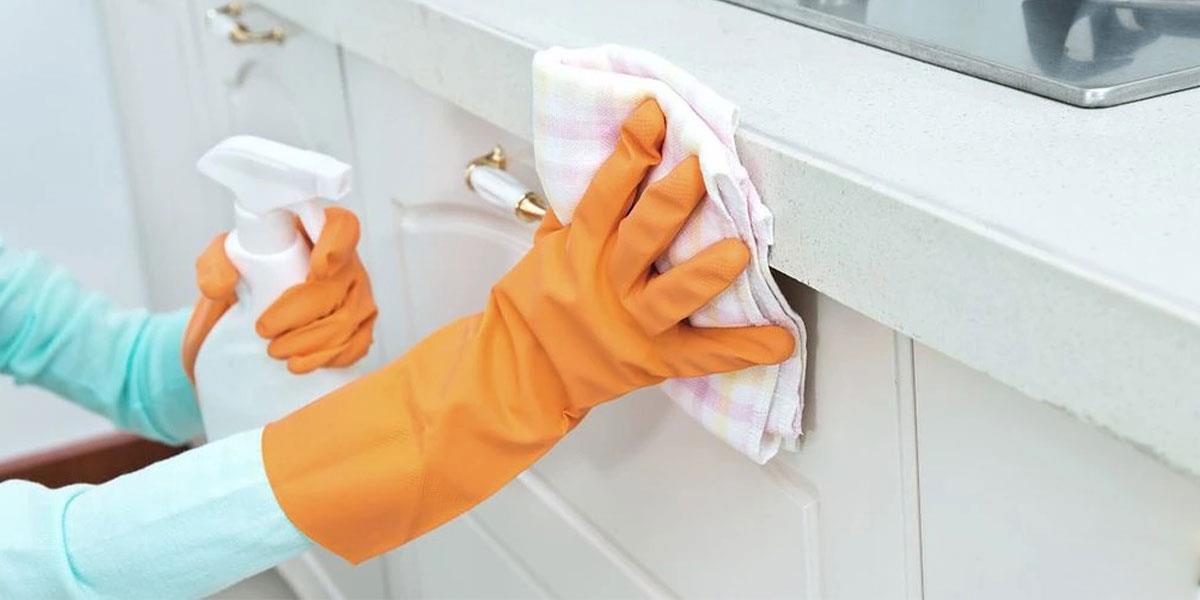
4. Use Gentle Cleaning Tools
Never use sharp objects, squeegees, or razors on polycarbonate and PVC surfaces, as these can cause scratches and damage. Instead, opt for soft sponges or cloths made from 100% cotton.
5. Test Cleaners in a Small Area
Before cleaning the entire panel, always test the cleaner in a small inconspicuous area to ensure that it doesn’t cause any adverse effects such as discoloration or cloudiness.
6. Avoid Dry Cleaning
Dry cleaning methods should be avoided, as sand and dust particles can scratch the surface of the panels. Instead, use a mild dishwashing detergent with lukewarm water for cleaning.
7. Rinse and Dry Thoroughly
After cleaning, all surfaces should be rinsed with cold water and dried with a soft cotton cloth to reduce water spotting and ensure a streak-free finish.
Disinfecting Guidelines for Polycarbonate and PVC Products
In addition to regular cleaning, it’s important to disinfect polycarbonate and PVC surfaces, especially in high-traffic areas or where sanitation is a concern. Here are guidelines for disinfecting these materials:
1. Isopropyl Alcohol
Alcohol solutions containing at least 70 percent isopropyl alcohol effectively sanitize hard surfaces. After cleaning the surface with soap and water, apply the alcohol solution and let it sit for at least 30 seconds before wiping it dry with a clean cloth.
2. Hydrogen Peroxide
A 3 percent household hydrogen peroxide solution can deactivate viruses on hard surfaces. Pour the hydrogen peroxide into a spray bottle, apply it to the surface, let it sit for 8 minutes, and then wipe dry with a clean cloth.
3. Compatibility with Other Sanitizing Agents
If you plan to use other sanitizing agents not mentioned above, it’s important to contact the manufacturer to ensure compatibility with PVC and polycarbonate materials. Some chemicals may be too harsh and could cause damage to the surfaces.
Conclusion
By following these general cleaning and disinfecting guidelines for polycarbonate and PVC products, you can maintain their appearance and functionality for years to come. Always use gentle cleaning tools, avoid harsh chemicals, and test any new cleaning or sanitizing agents in a small area before applying them to the entire surface. With proper care and maintenance, your polycarbonate and PVC products will continue to serve their purpose effectively.